- Home
- travel
- Kerala Cabinet gives in-principle nod to Thiruvananthapuram–Kasaragod RRTS corridor
Kerala Cabinet gives in-principle nod to Thiruvananthapuram–Kasaragod RRTS corridor
Thiruvananthapuram: The Kerala Cabinet, led by Chief Minister Pinarayi Vijayan, has given in-principle approval to implement a 583-km Regional Rapid Transit System (RRTS) corridor connecting Thiruvananthapuram and Kasaragod, signalling a renewed push for a state-wide high-speed rail network.
The decision, taken on Wednesday, authorises the state Transport Department to formally convey Kerala’s interest to the Union government and initiate consultations with the Centre. Once in-principle clearance is obtained, the state plans to enter into a memorandum of understanding, after which the project’s technical design, funding structure and loan sources will be placed before the Cabinet for final approval.
Alternative to SilverLine
The move follows the failure of the ambitious K-Rail SilverLine project, which stalled amid technical objections from Indian Railways and public opposition in parts of the state. Railway approval for the detailed project report submitted by Kerala did not materialise, and the conditions proposed were deemed inconsistent with the state’s development objectives.
Identifying RRTS as a more viable alternative, the Cabinet said Kerala’s geography and high population density require a time-efficient and environmentally sustainable transport system.
Modelled on Delhi–Meerut RRTS
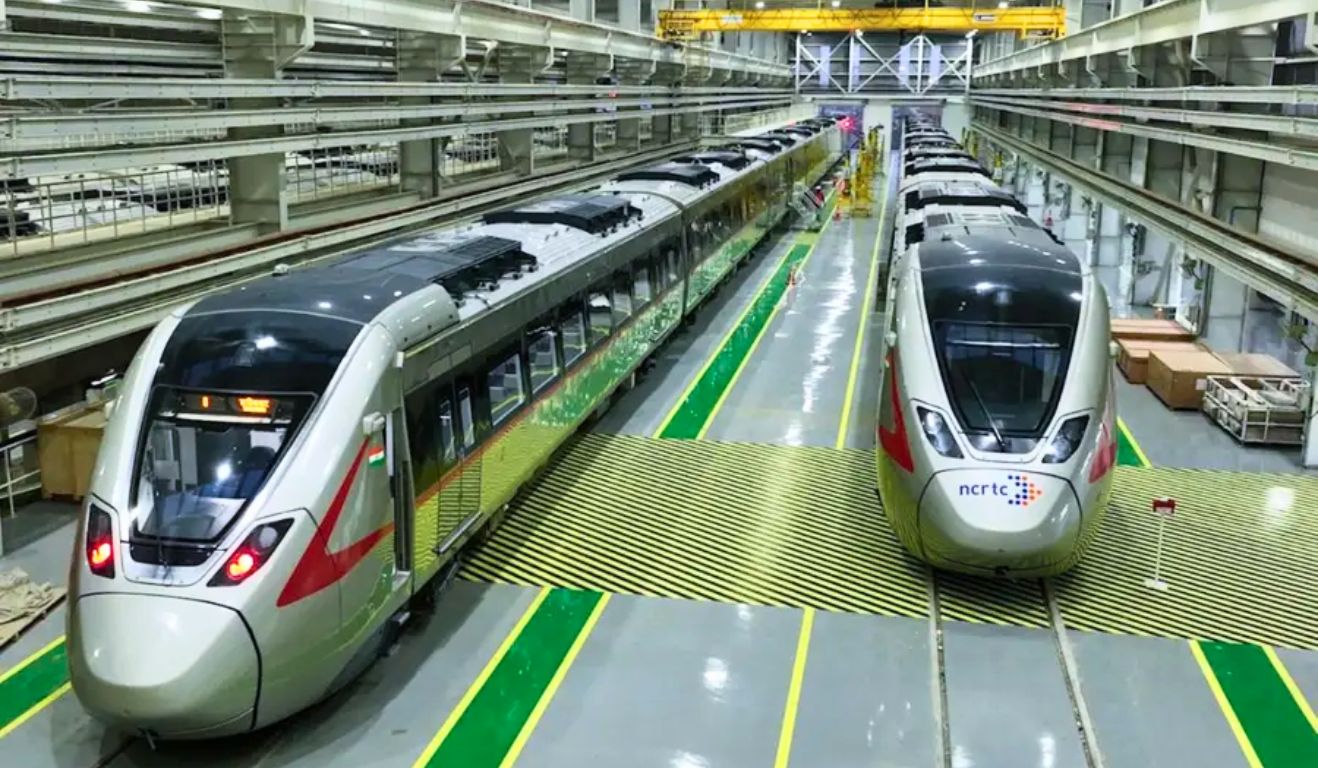
The proposed corridor draws inspiration from the Delhi–Meerut RRTS, which operates at speeds of 160–180 kmph with high passenger capacity and shorter station spacing. Like its northern counterpart, Kerala’s RRTS will be fully grade-separated and largely elevated, with embankments and tunnels used only where unavoidable.
Officials said this design would help minimise land acquisition, preserve natural water flow and address environmental and social concerns that dogged the SilverLine proposal.
Connectivity and integration
According to the Cabinet note, the RRTS aims to significantly cut travel time, improve inter-regional connectivity and expand access to jobs and education across the state. The corridor will be integrated with existing and proposed metro systems, including Kochi Metro, and the planned metro projects in Thiruvananthapuram and Kozhikode, to strengthen last-mile connectivity and reduce dependence on private vehicles.
Phased execution, mixed funding
On funding, Kerala plans to adopt a model similar to Delhi’s, with 20% contribution from the state, 20% from the Centre and the remaining 60% raised through long-term loans from international financial institutions. The project will be implemented in parallel phases to spread fiscal pressure.
Phase I the 284-km Thiruvananthapuram–Thrissur Travancore Line is proposed to begin construction in 2027 and be completed by 2033, alongside metro integration in Thiruvananthapuram and Kochi. Subsequent phases will extend the corridor to Kannur, Kozhikode and Kasaragod, with provisions for future extensions to Coimbatore, Kanyakumari and Mangaluru.
The Cabinet said that phased but parallel execution could enable Kerala to realise a comprehensive, state-wide RRTS network within about 12 years.