- Home
- health
- Your Trusted Diabetes Test May Be Misleading: Lancet Study Flags HbA1c Limits in India
Your Trusted Diabetes Test May Be Misleading: Lancet Study Flags HbA1c Limits in India
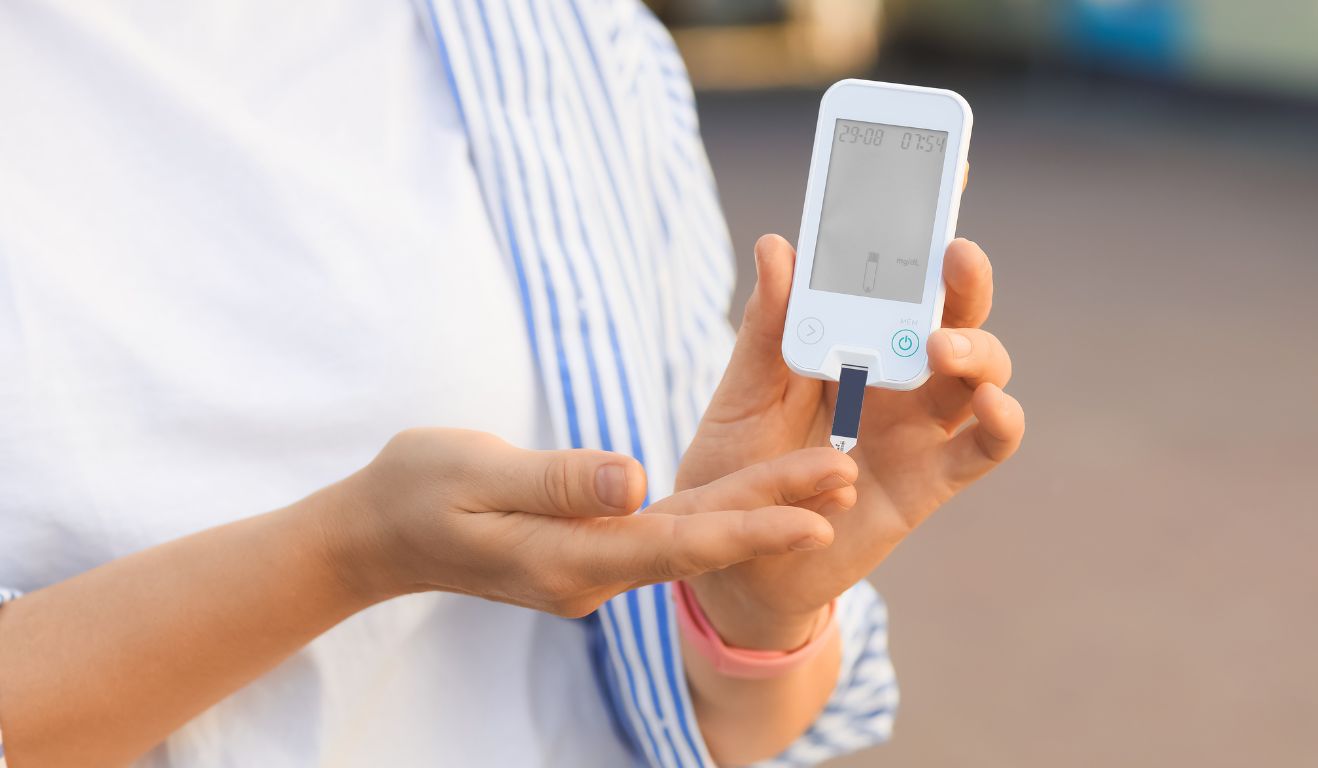
A widely used blood test for diagnosing and monitoring type 2 diabetes may not reliably reflect true blood sugar levels in large sections of the Indian population, according to a new study published in The Lancet Regional Health. Researchers warn that exclusive reliance on the HbA1c test could lead to misdiagnosis and underestimation of India’s diabetes burden.
The glycated haemoglobin (HbA1c) test measures average blood glucose levels over the previous two to three months and is commonly used across clinics and diagnostic labs in India. However, the study found that conditions affecting red blood cells—such as anemia, hemoglobinopathies and other blood disorders—can significantly distort HbA1c readings, leading to results that do not accurately mirror actual glucose levels.
Anemia Skews Diabetes Readings
India carries one of the world’s highest burdens of anemia, particularly iron-deficiency anemia, with prevalence exceeding 50% in some regions, the study noted. Since HbA1c values depend on the lifespan and structure of red blood cells, abnormalities in these parameters can result in falsely low or falsely high readings, potentially masking underlying diabetes or misclassifying patients.
“In populations with widespread anemia and red blood cell disorders, HbA1c alone is an unreliable marker of glycaemic status,” the authors observed, cautioning that this could lead to missed or delayed diagnoses, especially in early-stage diabetes.
Risk of Delayed Diagnosis
The researchers warned that exclusive dependence on HbA1c testing could delay the diagnosis of undetected diabetes by up to four years in some individuals. Such delays increase the risk of long-term complications, including cardiovascular disease, kidney failure, nerve damage and vision loss, which are often linked to prolonged periods of uncontrolled blood glucose.
Inconsistent laboratory quality and variations in testing standards across diagnostic centres were also flagged as factors that may further compromise the accuracy of HbA1c-based screening in India.
Call for Combined Testing Approach
To improve diagnostic accuracy, the study’s authors recommended that HbA1c should not be used as a standalone test for diagnosing diabetes in India. Instead, they urged clinicians and public health agencies to combine HbA1c with other established measures, including:
Fasting plasma glucose (FPG)
Oral glucose tolerance test (OGTT)
Self-monitoring of blood glucose (SMBG)
They also cautioned that large-scale public health surveys relying solely on HbA1c may misrepresent the true scale and distribution of diabetes across the country, potentially skewing policy decisions and resource allocation.
What This Means for Patients and Policy
While HbA1c remains a valuable tool for long-term glucose monitoring, the study underscores the need for context-specific diagnostic strategies in India, where underlying nutritional and blood disorders are common. Public health experts say the findings highlight gaps in one-size-fits-all diagnostic protocols and reinforce the importance of personalised, multi-parameter screening in diverse populations.
As India grapples with a rapidly rising diabetes burden, the study adds urgency to calls for more robust screening frameworks that account for local health realities rather than relying on global standards alone.