- Home
- sports
- T20 World Cup 2026: ‘Dew Cure’ Sprayed at Chepauk as India Face Must-Win Clash Against Zimbabwe
T20 World Cup 2026: ‘Dew Cure’ Sprayed at Chepauk as India Face Must-Win Clash Against Zimbabwe
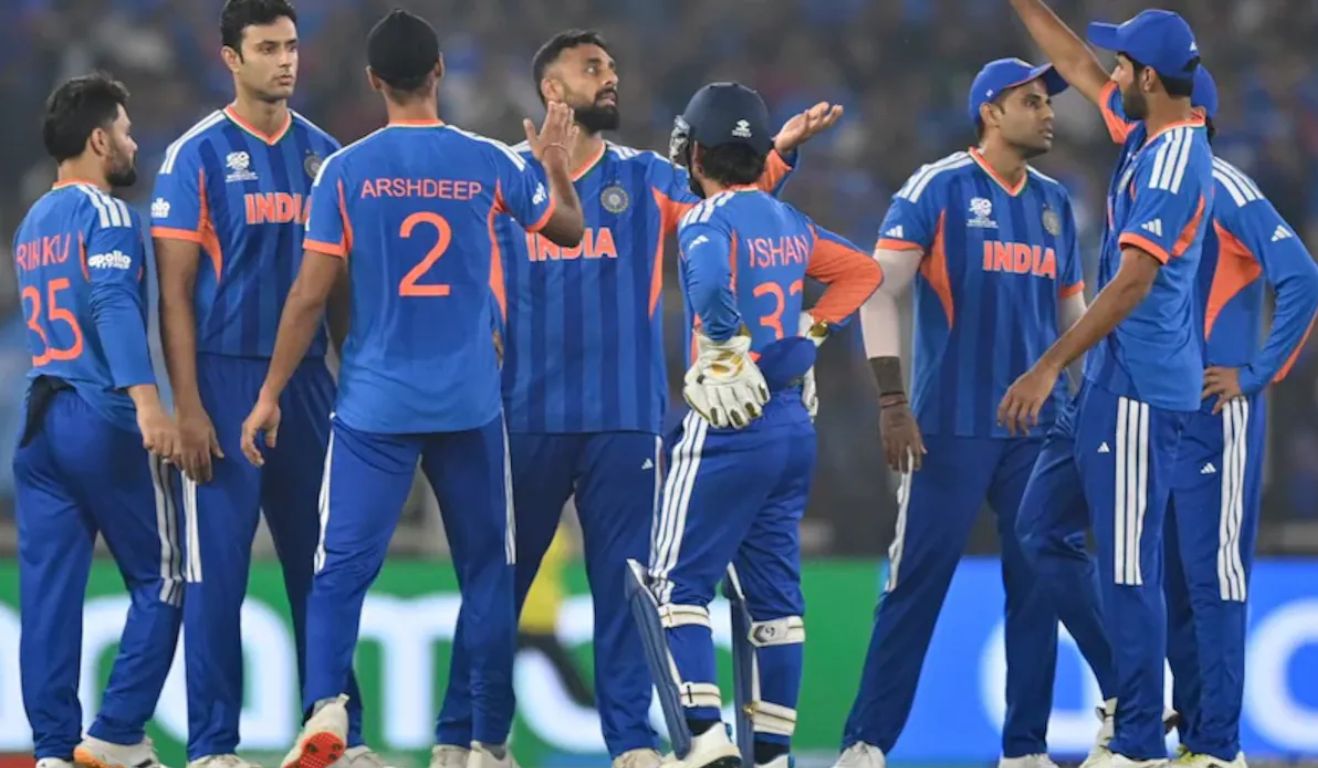
Ground staff at the MA Chidambaram Stadium have sprayed an imported anti-dew chemical, “Dew Cure,” ahead of India’s crucial T20 World Cup Super Eight match against Zimbabwe, as heavy humidity threatens to influence the contest under lights.
According to a report in The Indian Express, the chemical sourced from the United States was applied on Tuesday and Wednesday, with another round scheduled for Thursday afternoon. The aim is to minimise dew formation during the night fixture and maintain competitive balance between bat and ball.
High Stakes for India
The anti-dew measures come as India, led by Suryakumar Yadav, enter the contest with their semi-final hopes hanging by a thread in the ICC Men's T20 World Cup 2026.
After suffering a 76-run defeat to South Africa in their previous Super Eight match, India must win their remaining games against Zimbabwe and West Indies and rely on other results to stay in contention for a last-four spot. Any further slip-up would effectively end their title defence.
Zimbabwe, too, arrive under pressure after being dismantled by West Indies by 107 runs, exposing weaknesses in both batting depth and bowling execution.
Why Dew Matters in Chennai
Chepauk is traditionally known for its spin-friendly surface, where the ball grips and turns, rewarding patience from batters and discipline from bowlers. But in night games during humid conditions, the dynamic changes dramatically.
Forecasts indicate humidity levels between 80% and 90% during Thursday’s match. As moisture settles on the outfield, the white ball can become damp and slippery by the second half of the chase. Under such conditions:
Spinners struggle for grip.
Slower balls lose effectiveness.
Yorkers become harder to execute.
Mishits can travel further as the ball skids on.
In short, dew often tilts the advantage towards the chasing side.
Toss Could Prove Decisive
At Chepauk under lights, captains typically prefer to bowl first when heavy dew is expected. Defending a total with a wet ball is a different challenge altogether, as control and variation become harder to maintain.
By deploying “Dew Cure,” organisers are attempting to reduce the unpredictability associated with moisture-heavy evening games. While such chemical applications are not unprecedented in world cricket, their use in a high-pressure World Cup fixture underscores the fine margins at play.
A Tournament on the Line
For India, the equation is clear: win and stay alive; lose and risk elimination. With semi-final qualification dependent not only on their own performances but also on net run rate and other results, the margin for error is virtually nonexistent.
As players prepare for battle in Chennai, even the weather and how well the dew is controlled could shape the course of their campaign.