- Home
- Technology
- Microsoft Enters AI Hardware Race With Rollout of Maia 200 Chip
Microsoft Enters AI Hardware Race With Rollout of Maia 200 Chip
Second-generation in-house AI processor targets efficiency gains and reduced reliance on Nvidia
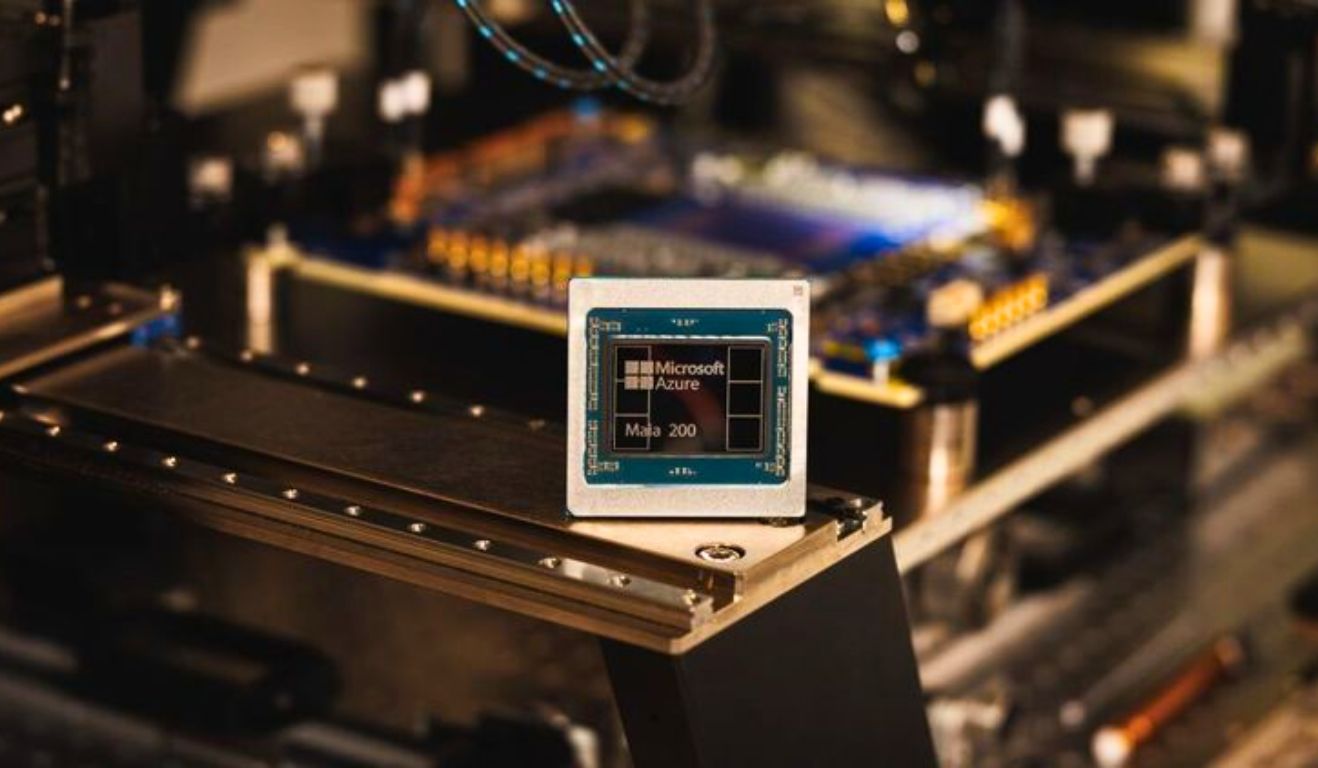
Microsoft has begun rolling out its second-generation artificial intelligence chip, the Maia 200, as the tech giant accelerates efforts to power its services more efficiently and reduce dependence on Nvidia’s dominant AI hardware.
The Maia 200 chip, manufactured by Taiwan Semiconductor Manufacturing Company, is being deployed at Microsoft data centres in Iowa, with additional installations planned for the Phoenix region.
Strengthening Microsoft’s AI Infrastructure
The chip forms a core part of Microsoft’s strategy to build custom silicon tailored to its own workloads, particularly as demand for AI computing continues to surge across cloud services, productivity tools and enterprise platforms.
Microsoft has already invited developers to begin working with the Maia control software, signalling a broader push to integrate the chip into its AI ecosystem. However, the company has not yet specified when customers of its Azure cloud service will be able to access servers powered by the Maia 200.
Part of a Broader Industry Shift
Microsoft’s move mirrors a wider trend among hyperscale cloud providers to design in-house AI accelerators, aiming to improve performance per watt, optimise costs and gain greater control over supply chains that are currently constrained by Nvidia’s market dominance.
While Nvidia GPUs remain the backbone of most large-scale AI deployments, the introduction of Maia 200 underscores Microsoft’s intent to diversify its hardware stack and future-proof its data centre infrastructure.
As deployments expand beyond Iowa and into Arizona, industry watchers will be closely tracking how quickly Microsoft brings Maia-powered servers to Azure customers and whether in-house chips can meaningfully challenge Nvidia’s grip on the AI hardware market.