- Home
- sports
- Ishan Kishan’s Powerplay Blitz Sets the Tone as India Power Past Namibia in T20 World Cup
Ishan Kishan’s Powerplay Blitz Sets the Tone as India Power Past Namibia in T20 World Cup
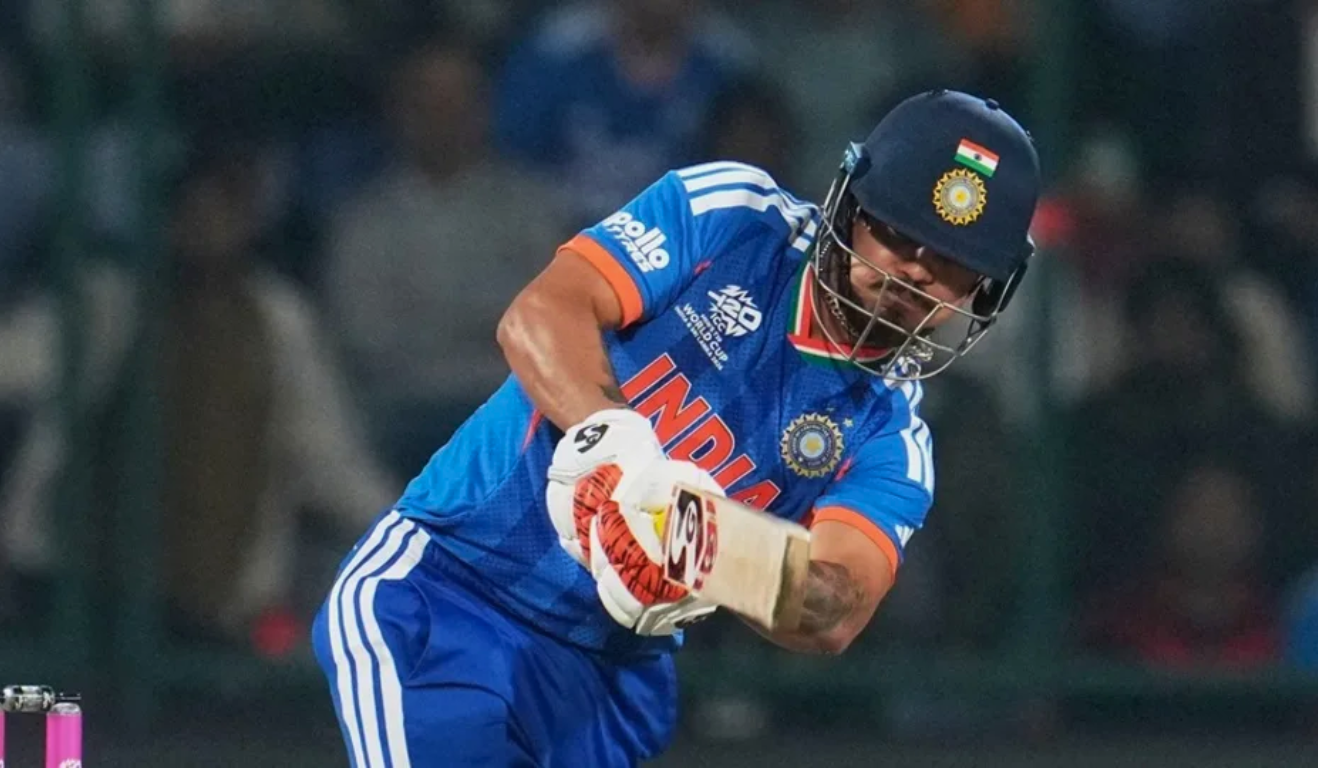
Ishan Kishan’s aggressive, instinct-driven batting once again set the tone for India in the powerplay, as the opener’s fearless approach provided early momentum in the T20 World Cup clash against Namibia, helping the hosts build a platform on a surface that offered far less value for strokeplay than expected.
After being jolted by a middle-order collapse against the USA in their opening match, India acknowledged the need to balance aggression with game awareness. But Kishan, in imperious form since returning to the national side, has largely continued to bat by his own code: attack first, assess later.
Though he began cautiously in Delhi, Kishan quickly shifted gears when Namibia introduced medium pace into the attack. The first ball he faced climbed sharply off the surface, underlining the uneven nature of the pitch. But when JJ Smit was brought on midway through the powerplay, Kishan pounced, treating the change of pace as an invitation to dominate.
Powerplay Dominance Defines India’s Approach
Kishan’s onslaught peaked in the final over of the powerplay, where he plundered 28 runs off Smit, including four consecutive sixes. India raced to 86 for 1 in the first six overs, their third-highest powerplay score in T20 Internationals, all three coming since the start of 2025.
The innings reflected a broader shift in India’s white-ball philosophy since their 2024 T20 World Cup triumph. Over the past year, India have consistently posted some of the highest powerplay returns in world cricket, underlining their intent to seize control of matches early — even on pitches that do not fully reward strokeplay.
Early Fire Masks Middle-Order Fragility
While the powerplay provided India with a commanding launchpad, the innings also exposed familiar vulnerabilities. Once Kishan departed, the scoring rate dipped sharply. India lost three wickets for just 20 runs across a 30-ball stretch, before Hardik Pandya’s late half-century ensured the total crossed the 200-run mark.
The pattern has become increasingly clear: India’s ability to dominate the first six overs has helped offset middle-order slowdowns and occasional collapses, particularly on challenging surfaces and against quality bowling attacks. Without Kishan’s early acceleration, India risked being held to a below-par total on a pitch that demanded careful shot selection.
‘Select the Bowlers, Not Every Ball’: Kishan
Speaking after the match, Kishan said India’s approach in the powerplay is built on calculated aggression, rather than blind slogging.
“We are looking to use the powerplay as much as we can, but we are selecting the bowlers,” Kishan said. “In the first over, Trumpelmann bowled really well, so we didn’t force shots. Once the ball stopped swinging, we knew we could go harder and take 20-plus off an over.”
He added that adaptability remains key as conditions and opponents change through the tournament.
“Game by game, situations will be different. We need to assess the wicket, the bowling options and pick who we can take on. Sometimes rotating strike is as important as hitting sixes,” he said.
Big Starts, Bigger Expectations
With Kishan and Abhishek Sharma at the top, India possess one of the most destructive opening combinations in the tournament. Their ability to strike at well over 200 in the powerplay has given India the freedom to play aggressively even on tricky surfaces. But the innings against Namibia also served as a reminder that early dominance must be complemented by composure through the middle overs, especially as the tournament moves into higher-pressure phases.
For now, India’s formula is clear: win the powerplay, control the contest. As long as Kishan continues to impose himself in the first six overs, India’s batting blueprint remains firmly on the front foot even when the pitch and the pressure conspire against them.